
Different types of lizards
Our recent blog (nasc thíos) about sprochaillí (such as wattles on turkey and dewlaps on other animals) happened to mention the word “laghairt” (lizard), pronounced “lyrtch” (or, in full Irish-modified IPA: /lairt΄/). The “y” in the rough transcription is like the “y” in “my” or “fly” and the /ai/ in the IPA transcription represents the same vowel sound.
Continuing with that lacertilian theme, let’s look a few more types of lizards, and, while we’re at it, let’s see which one of the following actually lives in Ireland.
Here is a list of 11 terms in Irish, with some pronunciation tips; one term is extra, to make the exercise more challenging. The English terms are in the word bank below. Tá na freagraí thíos. Together with the answers, there’s a further breakdown of the vocabulary, since even if we may not speak that often about “Zonosaurus quadrilineatus, ” we might well use words like “crios, ” “ceithre, ” and “stríoc, ” the components of its name in Irish.
1.. laghairt ghlas [the “gh” of “ghlas” is like the “gh” of “Mo ghrá thú” or “Dia dhuit, a Ghráinne, ” with the name “Gráinne” in direct address; in other words, this “gh” sound is the voiced velar fricative)
- laghairt ailigéadair chrannach [AL-yih-gyay-dirzh KHRAHN-ukh]
- laghairt chriosach cheithrestríocach [HRISS-ukh HyEH-rzhuh-SHTREE-uh-kukh]
- laghairt shúilíneach [HOOL-een-yukh]
- laghairt adharcach chósta [ Y-IRK-ukh KHOH-stuh]
- dragan Chomódó ([khoh-moh-doh]; as you can see, this one isn’t literally called a “laghairt“–of course, in English, it’s called a “dragon” not a “lizard, ” as well)
- laghairt chadhmain [KHY-min]
- laghairt choiteann [KHUTCH-un]
- ollphéist Gila ([ol-faysht HEE-luh, with the “G” of “Gila” pronounced as in Spanish, like an English “H”]; the second one in this group that’s not literally called a “laghairt“)
- laghairt chrogaill Shíneach [KHROG-il HEEN-yukh]
- laghairt earrspíonach [AR-SPEEN-ukh; remember, the “spío” part is pronounced “spee” (not “shpee”) even though the first vowel is slender (the “í”); same rule as in “spéir” and “spiorad“)
Agus ceist bhreise: of course, there’s at least one so-called “lizard” that really isn’t a lizard, or even a reptile. It’s a type of person, known in Irish as a “leadaí teach tábhaire.” So what kind of “lizard” would this be? Freagra thíos.
Banc na bhFocal
arboreal alligator lizard, beaded lizard, Chinese crocodile lizard, coast horned lizard, common lizard, four-lined girdled lizard, Gila monster, girdled lizard, green lizard, Komodo dragon
Pretty soon we’ll have to stop talking about laghairteanna and get seasonal with turcaí, liamhás, and other seasonal treats (arán sinséir, mar shampla), but for now, it seemed like a nice follow-up to discussing dewlaps and wattles. SGF – Róislín
Freagraí
1.. laghairt ghlas, green lizard
- laghairt ailigéadair chrannach, arboreal alligator lizard, with “c(h)rannach” based on “crann” (tree)
- laghairt chriosach cheithrestríocach, four-lined girdled lizard, incorporating the words “crios” (belt, girdle) and “stríoc” (stripe, streak), plus the number “c(h)eithre” (four)
- laghairt shúilíneach, beaded lizard, with “s(h)úilíneach, ” based on “súil” (eye) + “-ín, ” the diminutive suffix
- laghairt adharcach chósta, coast horned lizard, based on “adharc” (horn) and “cósta” (coast)
- dragan Chomódó, Komodo dragon
- laghairt chadhmain, caiman lizard
- laghairt choiteann, common lizard, also known as the “viviparous lizard, ” which gives us another name for this lizard, “laghairt bheobhreitheach” (lit. live-bearing). This one is native to Ireland, but, to my surprise, according to the reptile-database map (nasc thíos), it’s not native to Britain. Intriguing.
RELATED VIDEO



Share this Post
Related posts
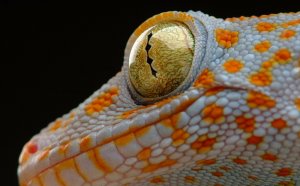
Colorful lizard
A very large species of chameleon that is endemic to forests in eastern and northern Madagascar. They reach up to 68 cm (27…
Read More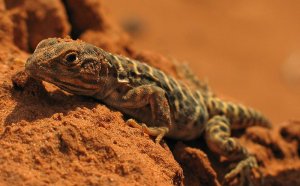
Types of lizards for pets
The same chemicals cedar trees use to repel insects can harm your pet reptile. Images One of the most fun aspects of reptile…
Read Morelatest posts
-
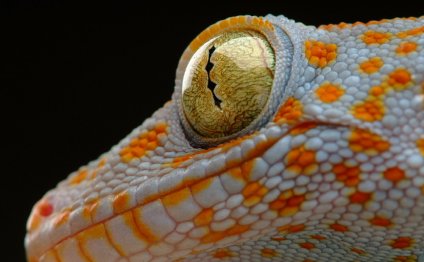 Colorful lizard Featured
 -
 Best pet chameleon Species October 17, 2026
 -
 Where is a Pet store near me? October 12, 2026
 -
 Reptile Supply Store October 7, 2026
 -
 Good pet Snake for Beginners October 2, 2026
 -
 Snake Store Online September 27, 2026
 -
 Turtles for sale in Houston September 22, 2026
 -
 Exotic Pet Supplies September 17, 2026
 -
 Small Monitor Lizards September 12, 2026
 -
 Great pets September 7, 2026
popular posts
-
Colorful lizard NOVEMBER 12, 2016
-
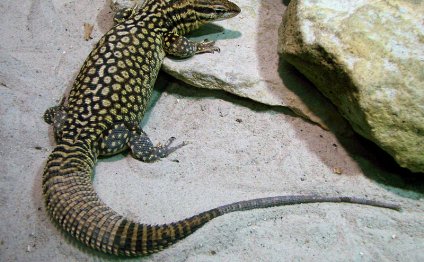 Monitor lizards pets DECEMBER 6, 2016