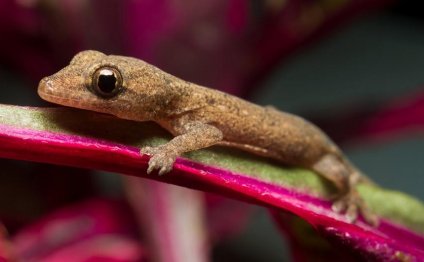
Geckos for Kids
Leopard Geckos make great pets for kids ages 10 and up. They're friendly, docile creatures by nature, but it's always best to supervise children when they're handling the lizards because leos can, on rare occasions, bite. This really only happens if they mistake a finger for food - which isn't common - or if they're squeezed too tightly while being held.
It might take time to earn your gecko's trust, so start by letting it approach and investigate your hand before grabbing and holding it. Kids and adults should be careful never to handle a leopard gecko by its tail (it could break off) and ought to avoid any sudden movements in order to make sure skittish geckos don't become frightened. Don't keep leos out of their habitats for extended periods of time, and be sure to wash your hands before and after touching them.
Because they're nocturnal, leos don't provide too many fireworks during the day, but they're often active and entertaining at night while feeding and exploring.
FUN FACTS
- After shedding, leopard geckos actually eat their own skin. It's a defense mechanism that keeps potential predators unaware of their presence, and it's also an excellent source of minerals. (Leopard Geckos are master recyclers!)
- Young geckos often have alternating bands of color across their skin. These eventually break up into splotches and spots.
- Some leos have lived to be more than 30 years old!
RELATED VIDEO



RELATED FACTS
-
 Chia Pets are American styled terracotta figurines used to sprout chia, where the chia sprouts grow within a couple of weeks to resemble the animal's fur or hair. Moistened seeds of chia (Salvia hispanica) are applied to the grooved terra cotta figurine...
-
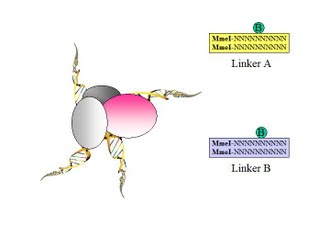 Chromatin Interaction Analysis by Paired-End Tag Sequencing (ChIA-PET) is a technique that incorporates chromatin immunoprecipitation (ChIP)-based enrichment, chromatin proximity ligation, Paired-End Tags, and ultra-high-throughput sequencing to determine de novo...
Share this Post
Related posts
Colorful lizard
A very large species of chameleon that is endemic to forests in eastern and northern Madagascar. They reach up to 68 cm (27…
Read More
Pet for kids
Topics on Pets: Why We Have Pets Fun Pet Facts Pet Responsibilities Which Pet Is Right For You? Getting Permission Where…
Read Morelatest posts
-
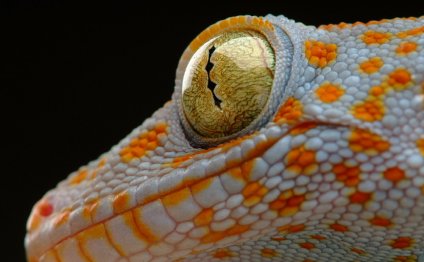 Colorful lizard Featured
 -
 Turtle PetSmart October 22, 2026
 -
 Best pet chameleon Species October 17, 2026
 -
 Where is a Pet store near me? October 12, 2026
 -
 Reptile Supply Store October 7, 2026
 -
 Good pet Snake for Beginners October 2, 2026
 -
 Snake Store Online September 27, 2026
 -
 Turtles for sale in Houston September 22, 2026
 -
 Exotic Pet Supplies September 17, 2026
 -
 Small Monitor Lizards September 12, 2026
popular posts
-
Colorful lizard NOVEMBER 12, 2016
-
 Monitor lizards pets DECEMBER 6, 2016